JENNY GUTHRIE, PH.D., CA: Relationship & Communication Coach
Coach • Advocate • Researcher • Educator
For nearly two decades, I’ve been devoted to understanding what helps people feel seen, heard, & safe.
As a field researcher, communication expert, & formerly tenured university professor, my work has centered around one core truth: the quality of our relationships shapes the quality of our lives—including the relationship we have with ourselves.
I founded Through the Fray Coaching to help people navigate the messy, deeply human parts of communication, conflict, abuse, & healing.
Whether you’re rebuilding after abuse, strengthening self-confidence, working to break unhealthy patterns, or wanting clearer, more confident communication, I’m here to walk alongside you with compassion, transparency, evidence-based tools, and a growth-oriented mindset.
Background: At a Glance

Education
Ph.D., Interpersonal Communication
University of Kansas. Specialization Areas: Gender-Based Violence; Social Support, Mental Health, & Wellbeing; “Dark/Bright” Sides of Interpersonal Relationships; Qualitative Methods
M.A., Communication Studies
University of Kansas. Specialization Areas: Interpersonal & Organizational Communication; Deception; Social Science Methods
B.A., Communication Studies
(Suma Cum Laude & With Honors) University of Missouri - Kansas City. Emphasis: Speech Communication & Interpersonal Communication
So…what is Communication Studies?
Click here for Dr. Kate Lockwood Harris’s fantastic description.
Certifications
CA, National Credentialed Advocate for Victims
U.S. Office of Justice Programs, National Advocate Credentialing Program, 2021-Present; Previously Certified in KS and NV since 2010
Certified Life Coach
Achology, the Academy of Modern Applied Psychology, 2021
Mental Health First Aid
National Council for Mental Wellbeing, 2011, 2023
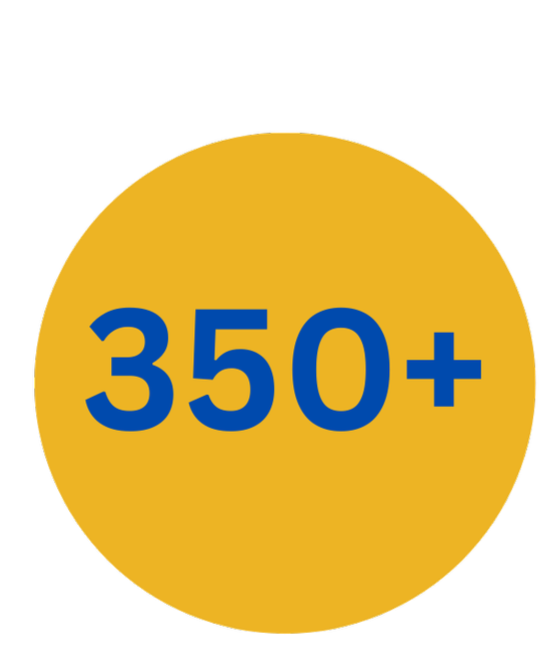
HOURS of specialized training
in trauma (causes, effects, responses, care & support for), advocacy, coaching, gender-based violence/abuse, & intimate partner violence/abuse.
Always a student, I love continuing education because it keeps my coaching and advocacy fresh, ethically grounded, & based in the most current best practices. It also keeps me adaptive and responsive to real nervous systems & communities.
Seen Around

Experience
YEARS of consulting, coaching, & training
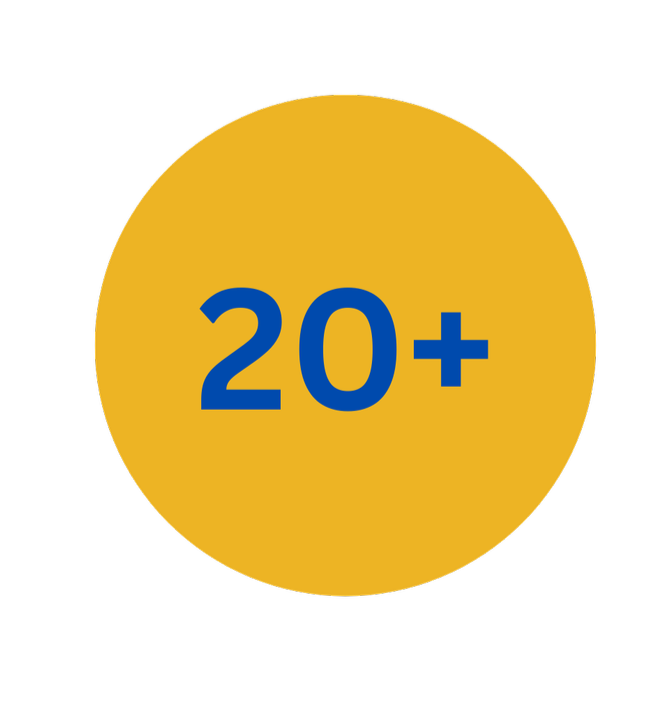
from my roots as a certified Advanced Writing Consultant, to collaborative community research, to tailor-made trainings & coaching today, I’ve always loved co-creating change with folks.
KEYNOTES & PRESENTATIONS given
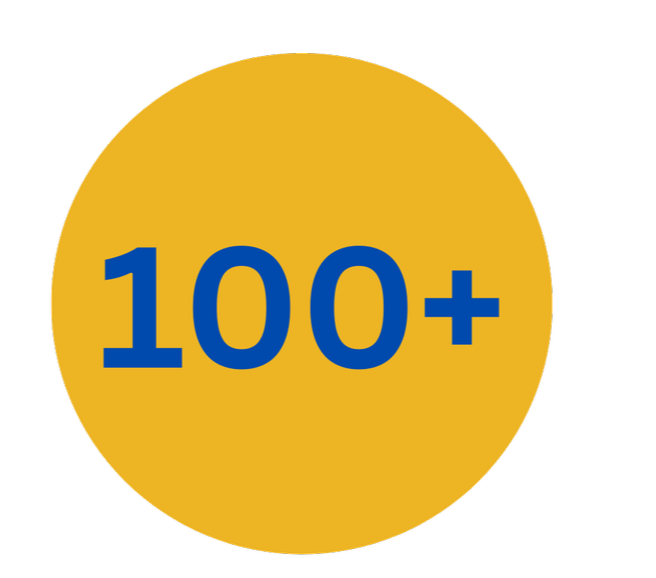
from small to large audiences, from academia to corporate, non-profit, & government.
from answering crisis lines, volunteering in shelters, leading a DV support group in a substance abuse treatment center, and working one-on-one, my direct service with survivors is the heart of my work and what fuels my systems advocacy.
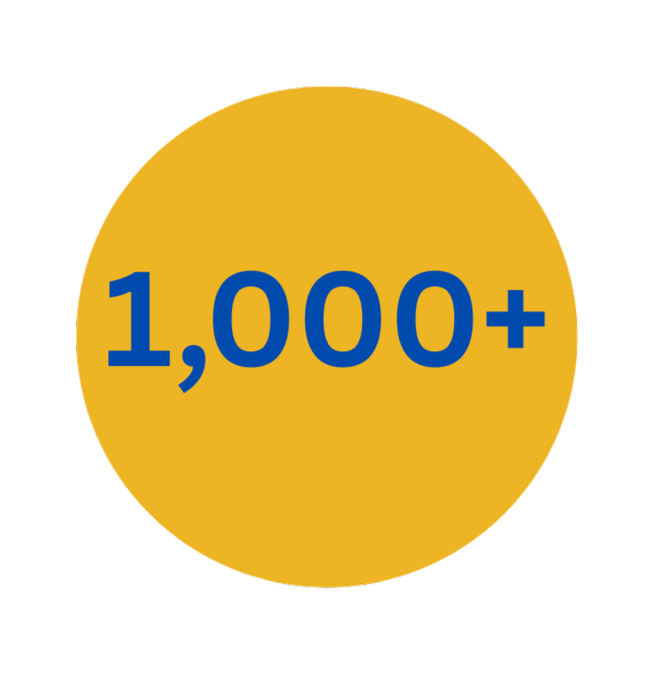
SURVIVORS supported
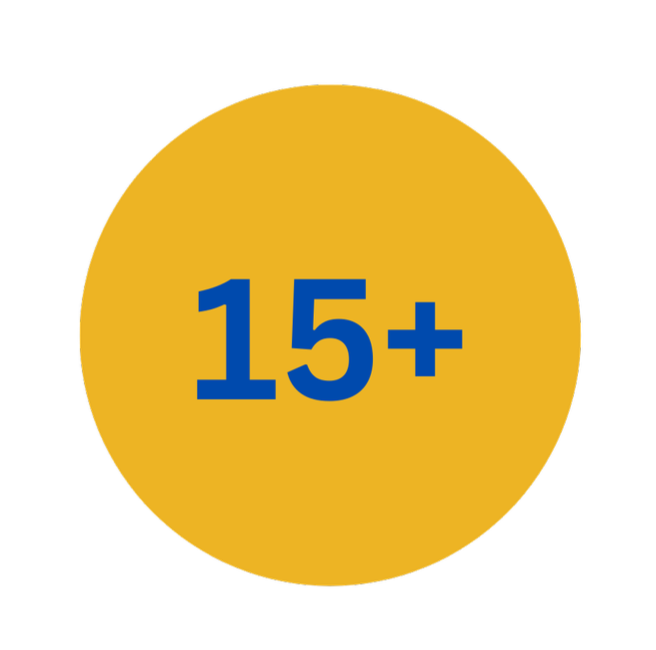
YEARS as a researcher
trained & mentored by amazing researchers from communication studies, psychology, sociology, and more, my specialties are qualitative field methods (interviews, focus groups, surveys, observation, doing the work alongside, & various methods of analysis) — essentially deeply learning from people’s lived experience as we sense-make about it together. My heroes conducted research that bridged theory with practice and made a positive difference in their communities. I’ve done my best to follow suit.
-
Authored/Co-authored: 10 peer-reviewed journal articles; 3 book chapters; 2 encyclopedia articles; 1 technical report
Supervised 8 M.A. theses, 1 undergraduate McNair Scholar thesis. Served on 20 M.A. thesis committees, 3 Ph.D. dissertation committees, & 1 undergraduate honors thesis committee.
Served on 3 Editorial Boards: Women & Language, Western Journal of Communication, and Iowa Journal of Communication. Invited Reviewer for 20+ journals & conferences (e.g., Journal of Family Violence, Journal of Social & Personal Relationships, International Association of Relationship Researchers).
Click Here for Google Scholar Profile
and check out the Consulting & Training page for recent collaborations
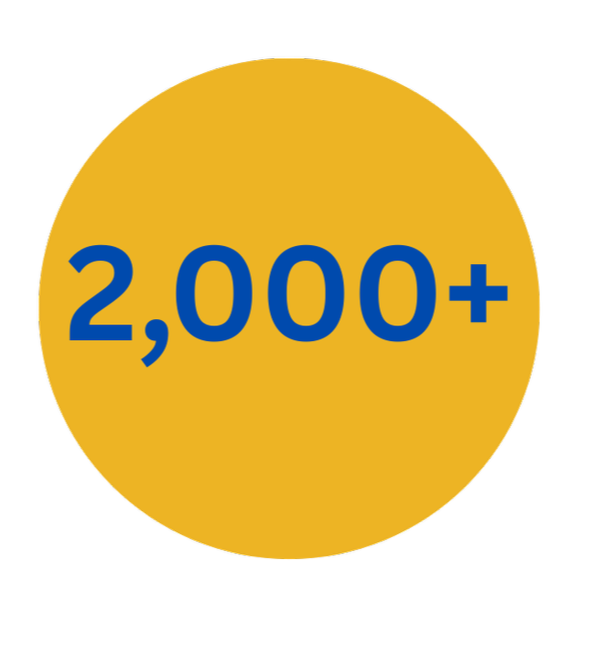
STUDENTS taught
-
Com Fundamentals: Public Speaking & Listening (COMS 110; UMKC); Speaker-Audience Com (COMS 130; KU); Effective Business Com (COMS 330; KU); Small Group Com (COM 315; UNLV); Succeeding in Teams (Online course developed for industry professionals)
Relational Health & Conflict: Intro. to Interpersonal Com (COMS 244; KU); Relational Com (COMS 344; KU); Human Com Theory (COM 400; UNLV); Com & Conflict Resolution (COM 434/634; UNLV); Survey of Com Studies Theory (COM710; UNLV)
Methods: Quantitative Research Methods (COM 435; UNLV); Qualitative Research Methods (COM 432/632; UNLV); Qualitative Field Methods in Comm Studies (COM720; UNLV)
I LOVE collaboratively learning with others. In my teaching, I prioritized modeling critical thinking (“Challenge the readings, each other, and me”), ethical and practical application (“communication is like Star Wars—use your skills for the light side of the Force”), and deep engagement through discussion and learning from each other.
Students reported that I treated them like scholars, challenged them in compassionate and encouraging ways, facilitated deep, respectful dialogue, helped them build skills that will last a lifetime — and that I’m “super funny, but in like a dorky way.” (Valid.)
Recognition
AWARDS for teaching & mentoring
(which I approach like advocacy & coaching) from students & faculty at the University of Kansas & the University of Nevada, Las Vegas
AWARDS for research & peer review
Article of the Year for this study (with Kunkel) about survivors’ experiences receiving support. Outstanding Reviewer for my peer review services for Western Journal of Communication. Top Panel Award for a talk on bell hooks’ “Teaching to transgress: Education as the practice of freedom.” Research Award from my graduate department at KU. (Bonus: One CDC Fellowship: Gender-Based Violence Intervention and Prevention Fellowship)
KU Women of Distinction for Social Advocacy; Douglas County Collegiate Volunteer of the Year
AWARDS for advocacy

A deep belief that voice matters— shaped by years of teaching public speaking and writing, and helping people find language for experiences they were never taught how to name.
A communication lens grounded in integration— drawing from interdisciplinary work that prioritizes lived experience (the people actually going through the thing are the real experts), and invites collaborative, creative co-construction of supportive environments.
A facilitative mindset — developed in writing centers, classrooms, advocacy, and coaching spaces. I don’t do the work for people: I offer tools and info, ask clarifying questions, and walk alongside as we collaborate for positive change.
A social justice framework rooted in action — informed by applied research and community-based advocacy that doesn’t just study harm, but actively challenges it.
A person-centered approach — shaped through my background in social support, in partnership with survivors, and grounded in honoring people as experts in their own lives, not subjects of intervention.
A commitment to complexity— built from research and real-world practice, recognizing that relationships, harm, and healing rarely follow a single path. I love elegant solutions — but only ones that respect nuance.
A systems-thinking perspective — shaped by bridging academia and fieldwork, meeting people within the relational, cultural, and structural contexts they’re navigating. I translate complex ideas into practical strategies that address patterns, dynamics, and power — not just individual behavior in isolation.
A trauma-informed lens — grounded in informed consent, pacing, and context. We move at a speed that supports insight and integration, not overwhelm, with safety and autonomy as non-negotiables.
An ethical commitment to staying in my lane — rooted in transparency, clear expectations, and respect for professional boundaries. If I’m not the right resource, I’ll say so. Integrity means helping people find the support that genuinely fits — even when that isn’t me.
What the Journey Gave Me